Vendor-independent by design
We're the architect and integrator, not a component manufacturer, so hardware-agnostic isn't a claim, it's how we're built. Your racks, your suppliers, your choice, today and tomorrow.
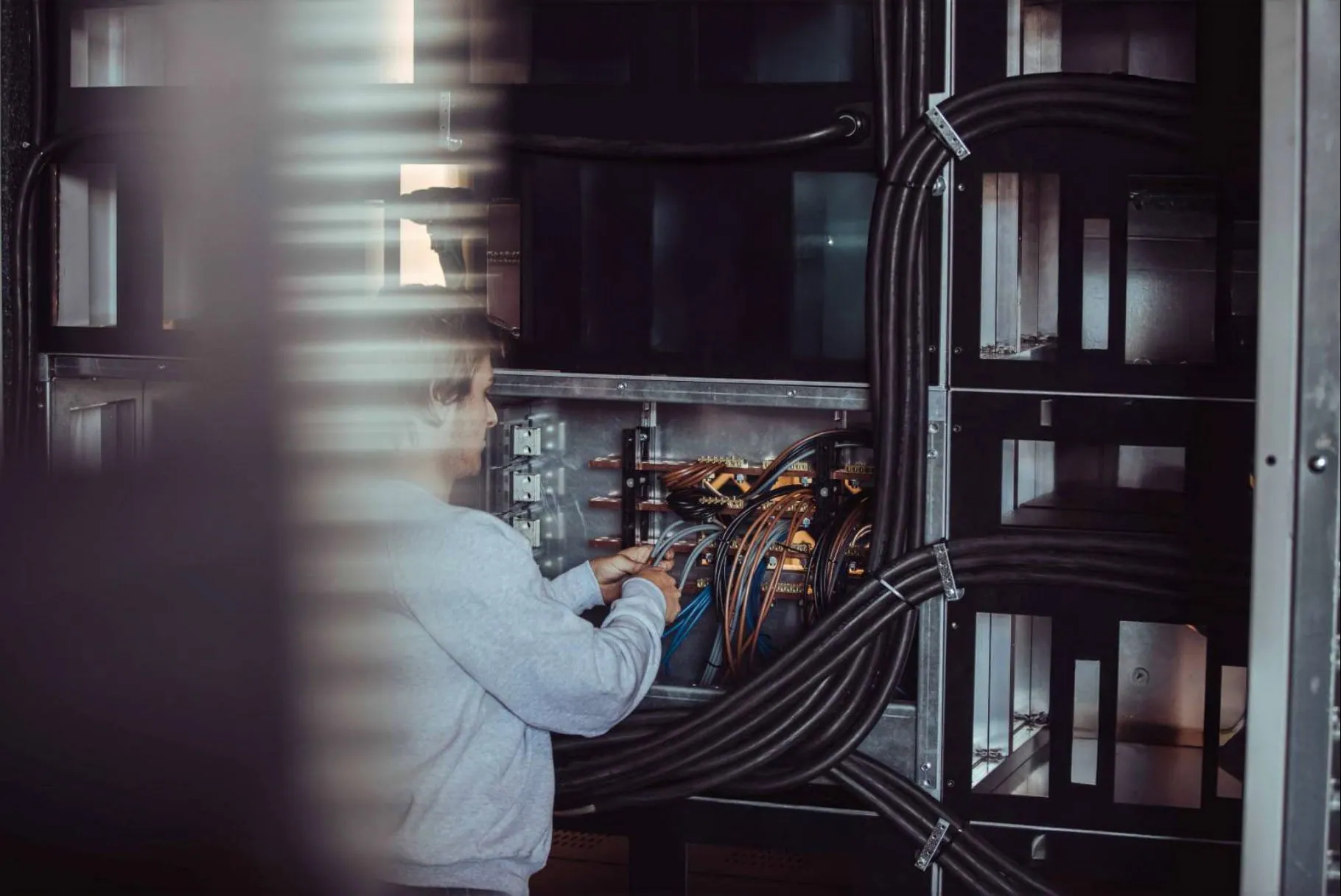
Speed doesn't come from working faster. It comes from removing the waiting. One ecosystem, parallel processes and scalable capacity: that is how we deliver data center infrastructure faster, consistently, not occasionally.
What separates Kontena from a component vendor, a general contractor, and anyone selling a catalog module.
We're the architect and integrator, not a component manufacturer, so hardware-agnostic isn't a claim, it's how we're built. Your racks, your suppliers, your choice, today and tomorrow.
Integrated design, MEP specialists worldwide and German steel production at industrial scale. One contract, one accountable team, no hand-offs.
Standard blocks configured to your site, and fully custom building blocks where the site, the regulations or the load demand it. The fit is custom; the lead time isn't.
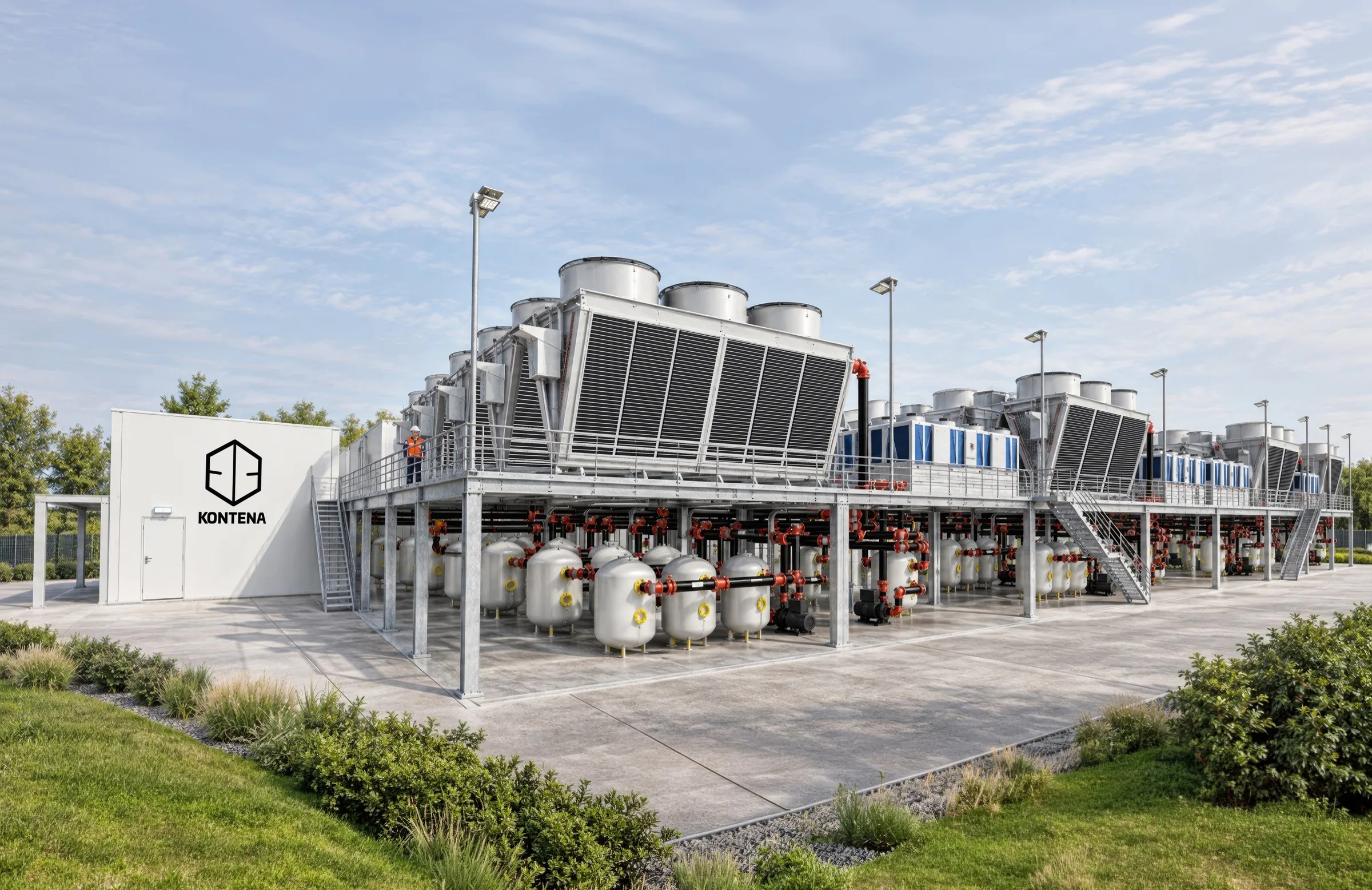
Up to +300 kW per rack, with a dual-loop system that removes almost all heat at the chip. Heat rejection is chosen per site and climate: dry coolers, chillers, cooling towers or heat recovery.
Everyone promises speed; almost no one guarantees it. Factory-built and factory-tested modules let us commit to a price and a date before we start, and hold them.
Site brokerage, feasibility, engineering, build, MEP and operations under one roof. If you don't have a site yet, we can find one, and then build on it.
Design, MEP and manufacturing of high performance computing infrastructure under one structure: no hand-offs, no gaps between disciplines.
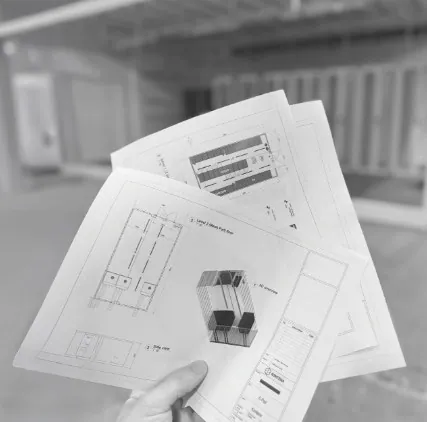
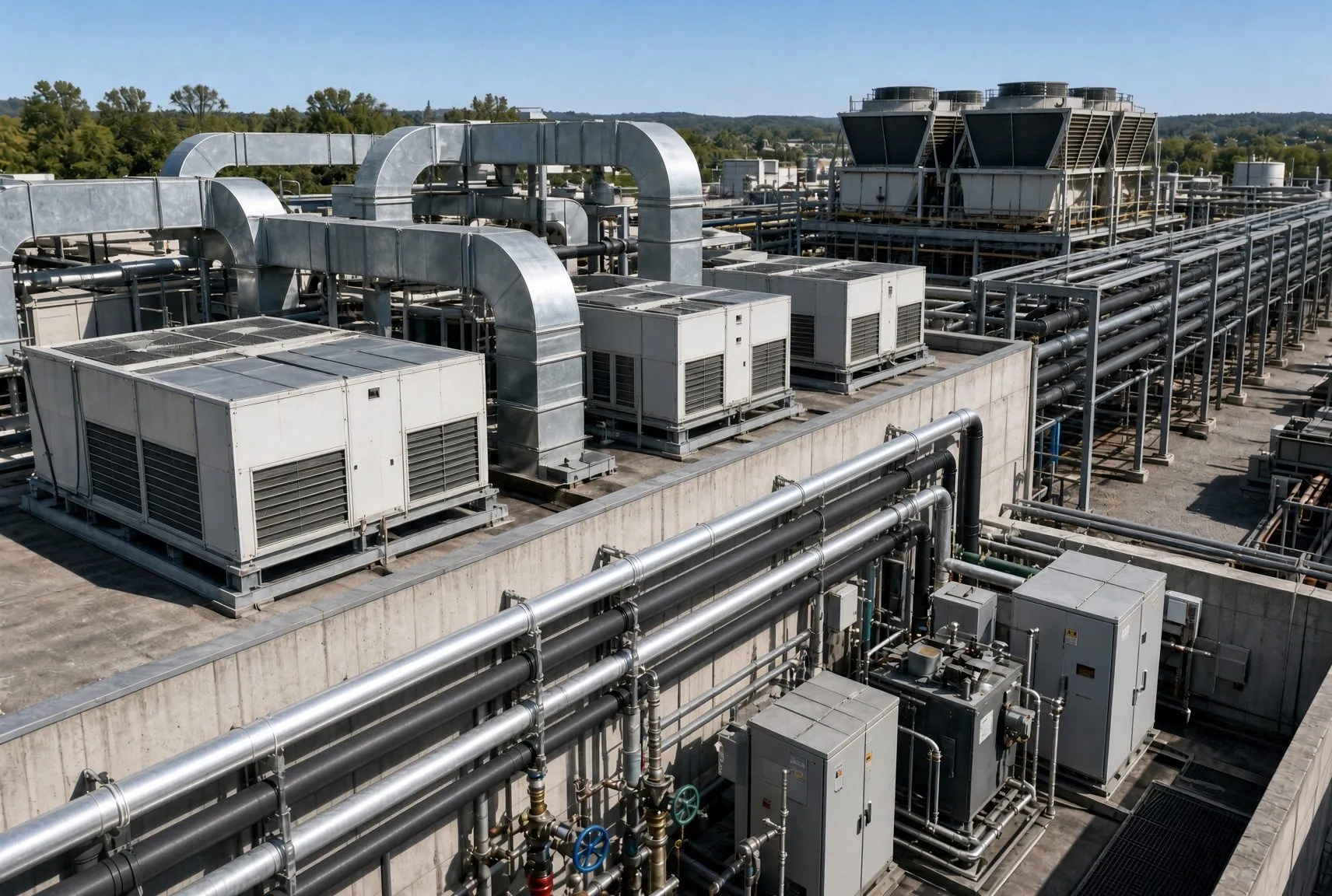
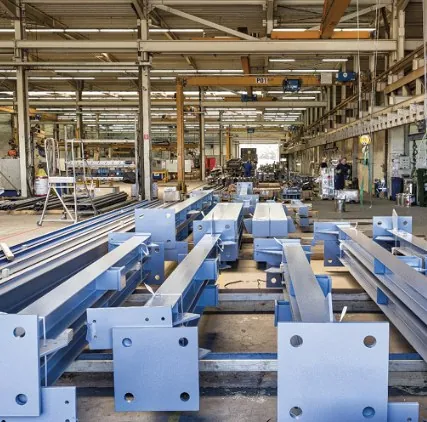
Design, engineering, MEP and production all in-house, in one team. That changes what is possible: in design capacity, in production volume and in the size of project we can take on.
Design, engineering, MEP and installation experts in a single integrated pool. No hand-offs, no gaps, just seamless execution.
In-house production, multiple assembly halls and large yards deliver true factory-scale capacity for modular data center components, for fast and repeatable large-scale deployments across Europe. Today about 150 MW of modules a year, with room to grow.
From a single data room to a multi-site program, the same ecosystem scales to fit. No project too small, none too large.
Best-in-class technology for every project. Never locked into one vendor or proprietary stack: your racks, your suppliers, your choice. A supplier who cannot hold a date is routed around, not waited on.
Six steps, the same on every campus. Design happens once, site works happen once, and the blocks repeat.
We start from your plot, your grid connection and your load. The campus layout is fixed early: where the blocks go, how power and cooling run, where trucks and people enter. It is also the basis for your permit.
One block is engineered down to the last cable tray, and every phase repeats it. Long-lead equipment such as transformers and switchgear is ordered at contract award, so it stays off the critical path.
When the permit lands, site works start for the whole campus at once: groundworks, foundations, cable and pipe routes, roads, fencing and the grid connection. Done once, ready for every phase.
Meanwhile data rooms, E-Houses and cooling skids are built in our own assembly halls. Every module is wired, piped and factory acceptance tested before it leaves.
Modules arrive by truck and are set by crane on the prepared foundations. What is left on site is connecting power, cooling and network between the blocks.
Each phase is commissioned and site acceptance tested, then handed over and goes live. The next phase is already being set beside it.
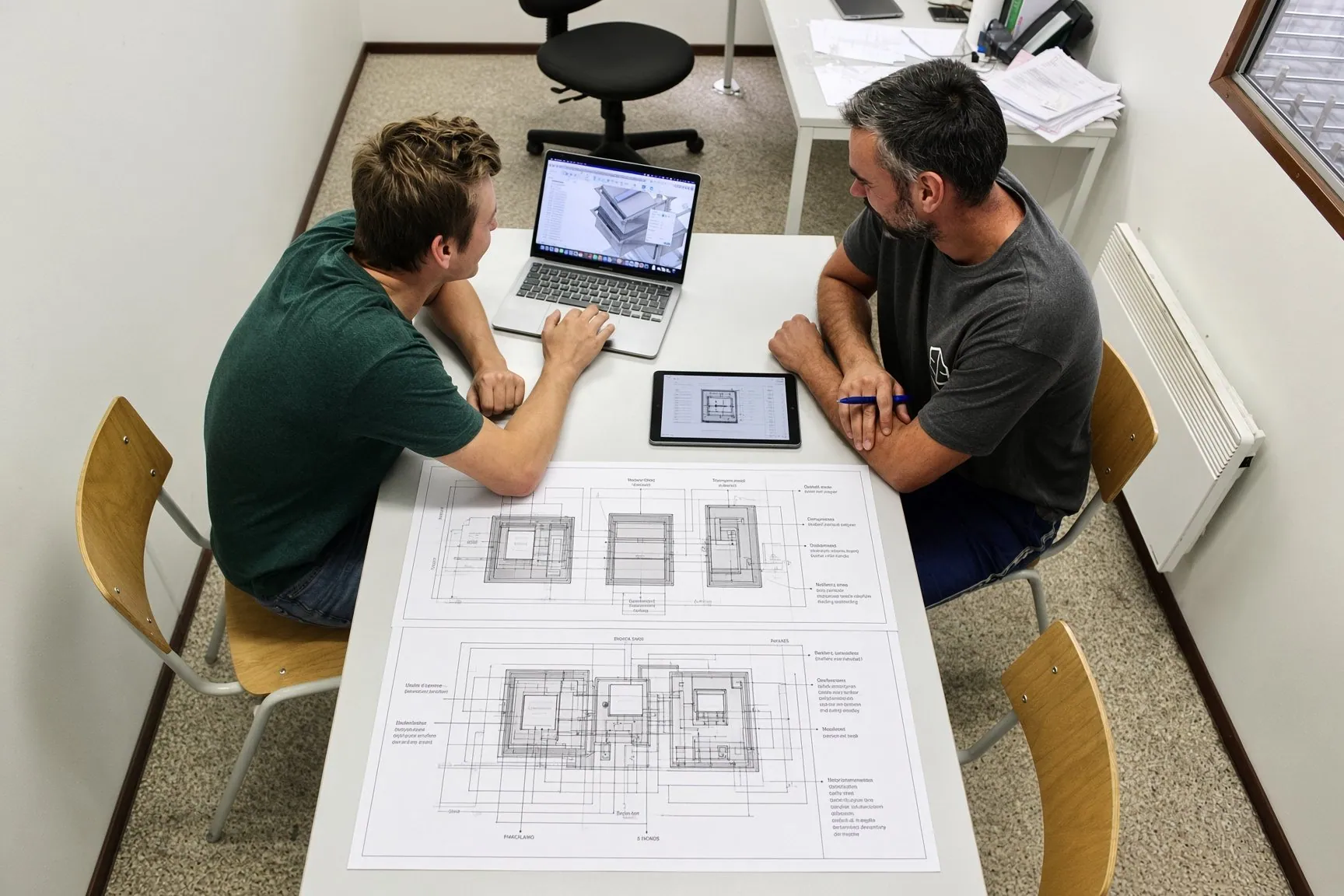
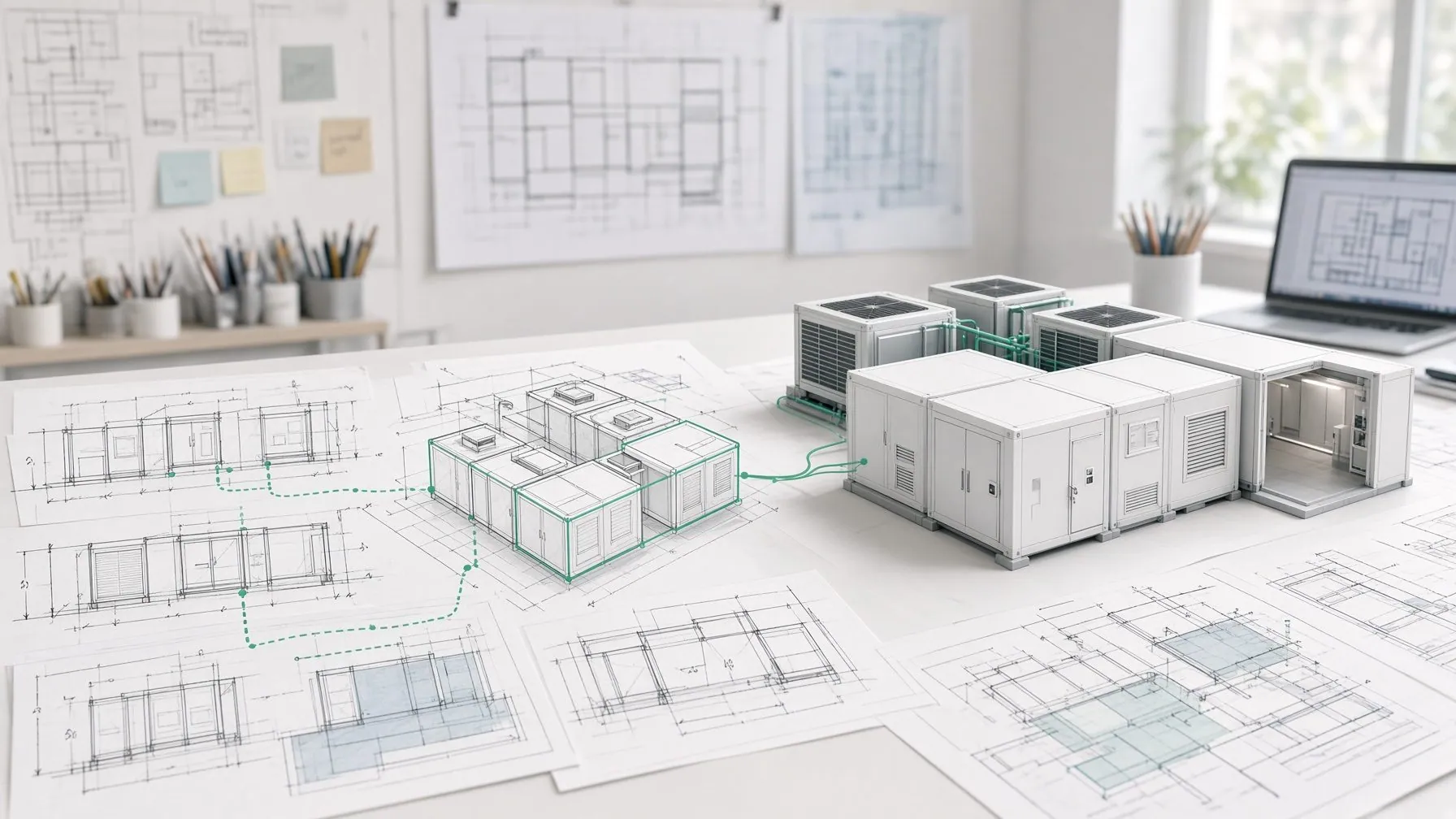
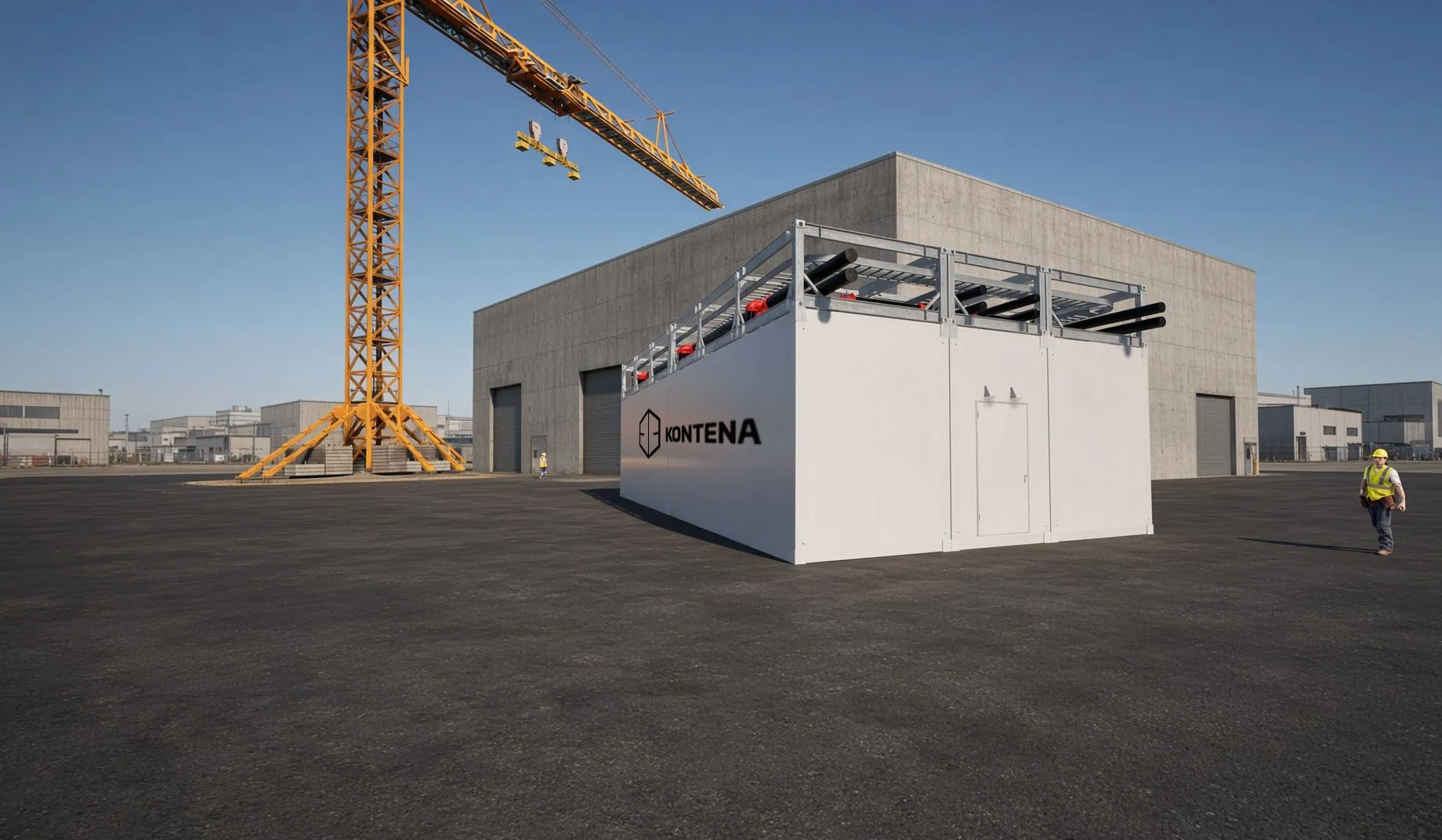
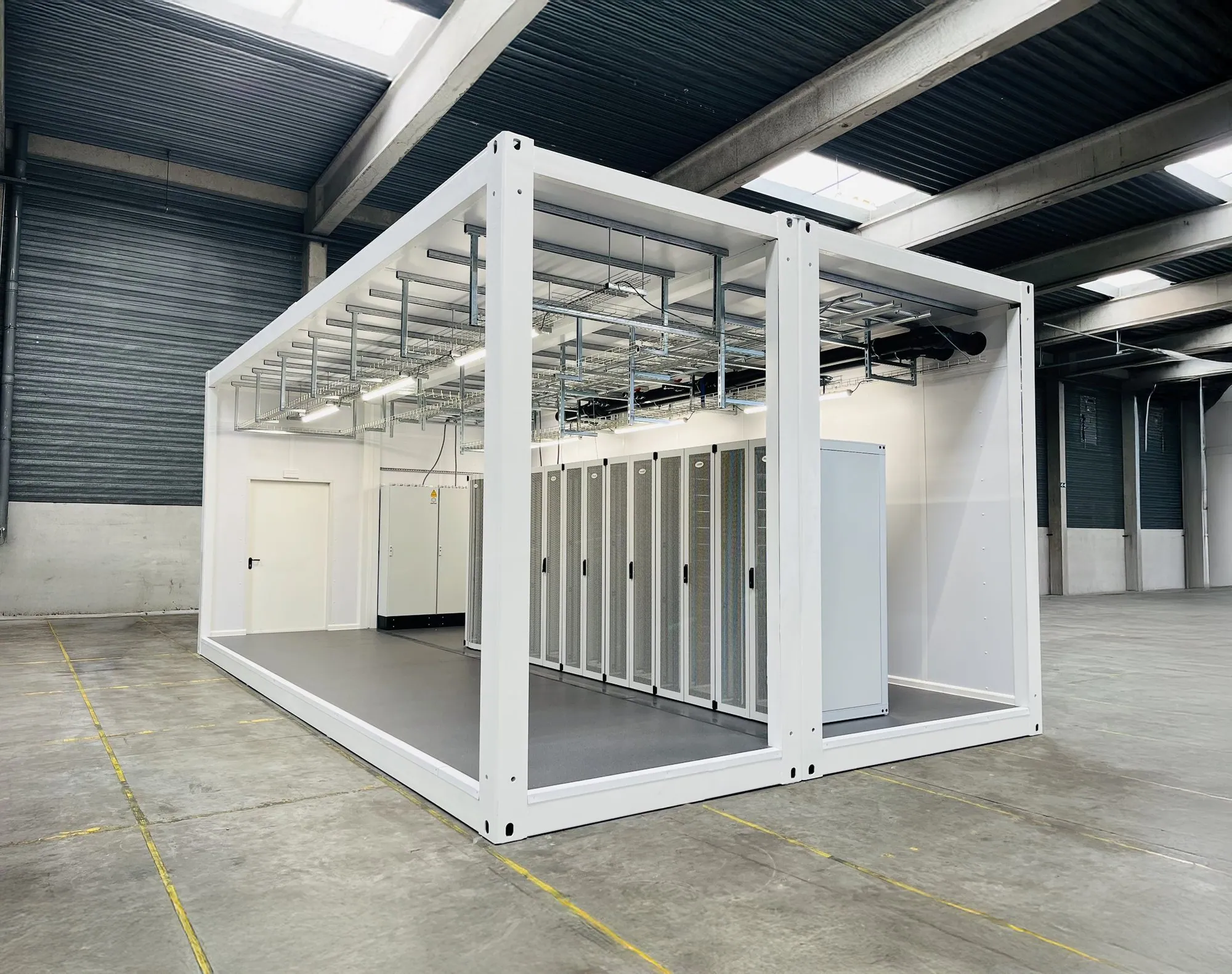
Traditional builds run one discipline after another; we run them in parallel. Long-lead equipment is released at contract award, and the moment the permit lands, fabrication design is done and site works begin. Modules arrive FAT-tested and are connected as they land, leaving only setting, hook-up and commissioning on site.
From permit to live capacity, against a well-run traditional build.
Earning capacity before a traditional build goes live.
Indicative schedule from our reference example. First modules can be ready in as little as five to six months after engineering start. Exact timing depends on the project.
A 40 MW campus built in 10 MW phases. Designed once, then fabrication, deployment and commissioning overlap across phases: the first 10 MW goes live 7 months after the permit, with a new phase every 6 weeks. A traditional build delivers all 40 MW at once, in about 22 months.
First 10 MW live, the full 40 MW by month 11.5.
Of full site revenue before the traditional site opens.
40 MW in four phases of 10 MW
A new 10 MW phase goes live every 6 weeks. A traditional build delivers all 40 MW at once.
Indicative schedule for a 40 MW reference campus. Exact timing depends on the project.
The system delivers consistent speed across projects of different sizes.
A concept design of about four weeks fixes the design basis and ends in a firm price. Critical long-lead items are ordered right after, removing them months from the traditional critical path.
Strong base production capacity, with output increased significantly for larger programs, all in our own production.
Every module is FAT-tested in our factory and ships as soon as it passes. Site works begin earlier, while non-critical parts of the system are still in production.
Well-defined projects can move from engineering start to first modules ready in as little as five to six months, thanks to parallel execution and pre-engineered blocks.
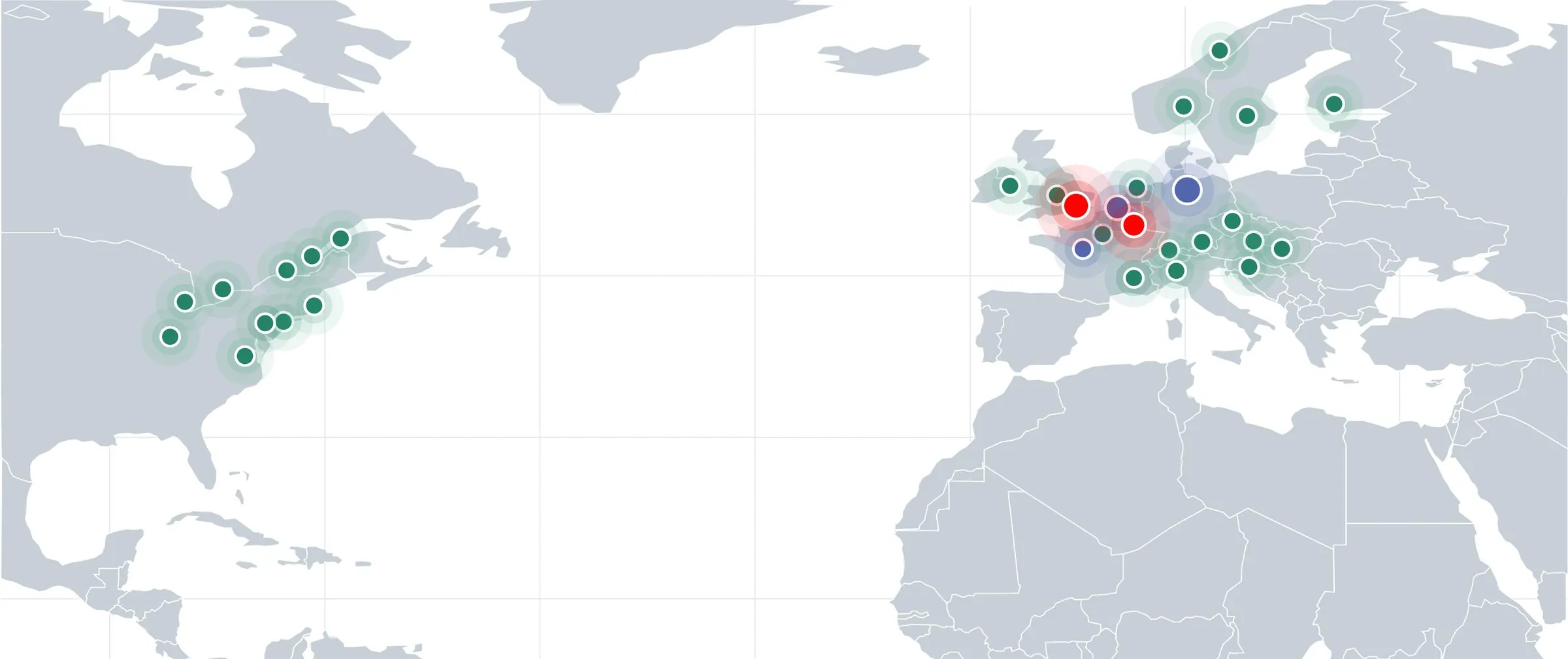
A map of our flagship sites: assembly and production facilities, service centers and sales offices, close to the projects we deliver in Europe and North America.
We come back with a first configuration and a schedule.
We use necessary cookies to make this site work. With your permission we also use analytics cookies to see how the site is used, and marketing cookies to measure our campaigns. You can change your choice at any time via Cookie settings at the bottom of every page. More in our privacy statement.